How Financial Gateways Are Driving Britain's Digital Betting Expansion
Uma Sullivan · Nov 14, 2026
How Financial Gateways Are Driving Britain's Digital Betting Expansion
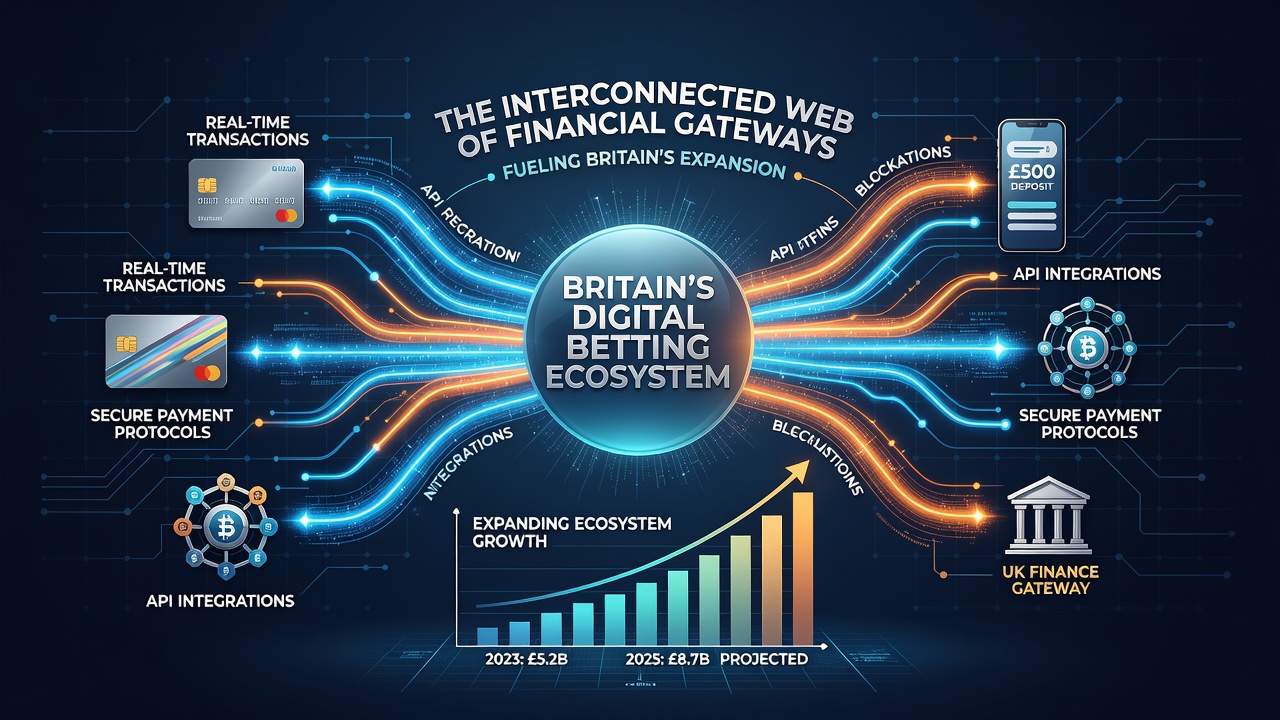
Britain's digital betting sector relies on an intricate network of payment processors, banks, and fintech platforms that handle deposits and withdrawals at scale, and these systems continue to evolve as transaction volumes rise through 2026. Data from industry reports shows that electronic payment methods now account for the majority of funding activity on licensed operators, which creates direct links between consumer accounts and betting platforms through secure APIs and real-time processing tools.
Payment Infrastructure Supporting Growth
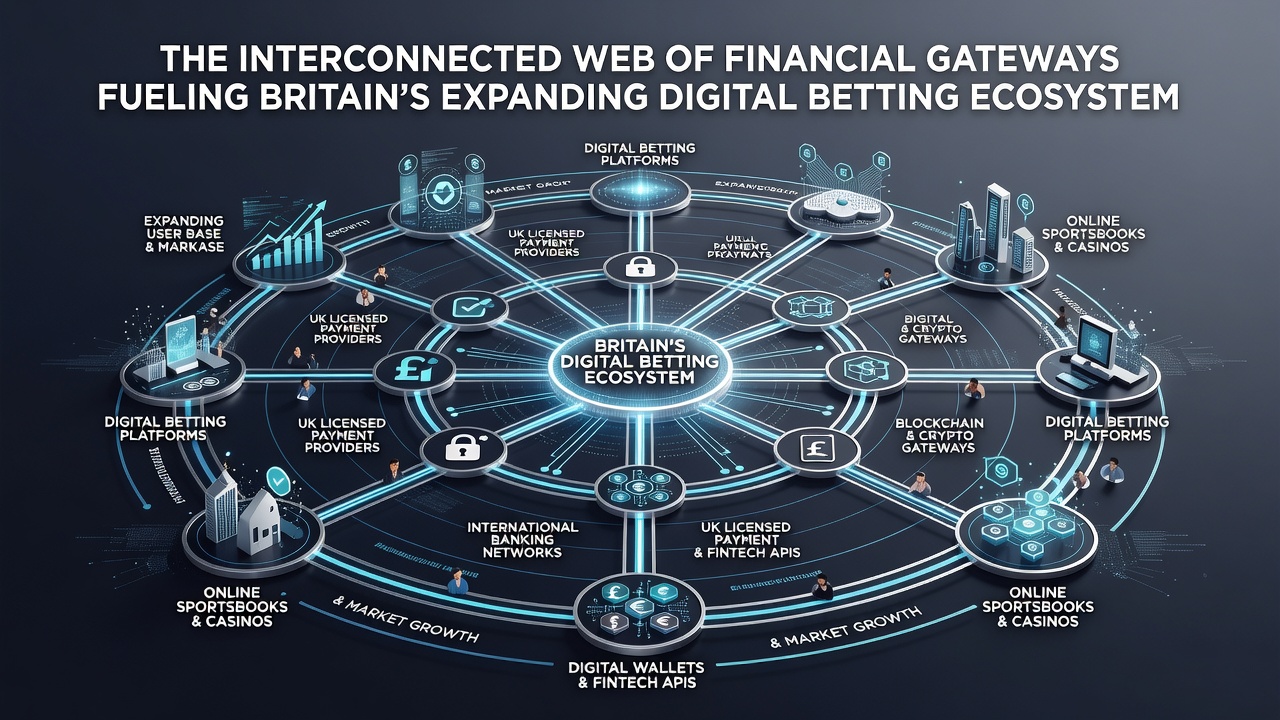
Electronic wallets and card networks form the backbone of daily transactions, while banking integrations allow instant transfers that keep funds moving between users and operators without traditional delays. Observers note that these gateways have expanded their capabilities to include multi-currency support and fraud detection layers that verify each payment before it reaches a betting account. Research indicates that platforms using these combined systems see higher completion rates for deposits, which in turn sustains continuous play sessions across mobile and desktop interfaces.
Fintech companies have stepped into this space by offering specialized services tailored to gaming merchants, and they often partner with traditional banks to route funds through compliant channels that meet anti-money laundering standards. According to figures from the Victorian Responsible Gambling Foundation, similar payment ecosystems in Australia demonstrate how integrated gateways can process millions of micro-transactions daily while maintaining audit trails for regulatory review. Those patterns appear mirrored in Britain, where operators depend on the same underlying technology to scale operations amid rising participation numbers.
Regulatory and Banking Connections
Banks and card issuers apply specific policies to gambling-related payments, which creates another layer of control within the overall web. Some institutions route these transactions through dedicated merchant categories that trigger additional checks, while others limit exposure by setting daily caps on certain account types. This selective approach influences how quickly funds reach betting sites and how operators manage cash flow across their platforms. In November 2026, updated guidance from financial oversight bodies is expected to clarify reporting requirements for high-volume gateways, which could standardize practices further across the sector.
Industry associations have documented cases where payment failures stem from mismatches between banking rules and operator requirements, and these incidents highlight the need for tighter coordination between all parties involved. Researchers at institutions studying digital finance note that real-time verification tools now reduce declined transactions by cross-referencing user details against multiple databases before approval. The result is a more resilient system that supports Britain's expanding market without frequent interruptions.
Fintech Innovations and Transaction Flows
Emerging technologies such as open banking APIs have accelerated the speed of deposits and withdrawals, allowing users to authorize transfers directly from their accounts without entering card details on every visit. These tools connect financial institutions with betting platforms through secure channels that log each movement for compliance purposes. Data shows that adoption of these methods has grown steadily, with operators reporting shorter processing times and fewer abandoned transactions as a direct outcome.
Third-party processors often sit at the center of these flows, aggregating payments from various sources and distributing them to the correct operator accounts while handling currency conversions and fee calculations automatically. Experts tracking these developments point out that such intermediaries reduce operational friction for smaller betting sites that lack the resources to build direct integrations with every bank. The interconnected nature means that a change in one gateway's policy can ripple through multiple platforms, affecting user experience across the board.
Future Outlook for the Ecosystem
Continued investment in secure payment infrastructure is likely to support further expansion of Britain's digital betting activities through the end of 2026 and beyond. New features such as instant payout options and embedded wallet solutions are already appearing on major platforms, driven by demand for seamless financial experiences. Reports from international bodies like the New York State Gaming Commission illustrate how similar gateway networks in regulated markets maintain stability even as volumes increase, providing a reference point for ongoing developments in Britain.
Conclusion
The financial gateways powering Britain's digital betting ecosystem form a complex yet functional web that links banks, processors, and operators through shared technology and compliance standards. As these connections strengthen, transaction efficiency improves and supports the sector's overall expansion without compromising the safeguards built into each layer. Observers expect these systems to adapt further in response to regulatory updates and technological advances that keep funds moving reliably between users and platforms.